|
Celebrating 35 years providing high quality products and advice.
|
| Our Local Time Is 8:12:02 PM. |
| Call us at 818-786-0600. We are here to help! |
How does the calcium get into the water
Much of our drinking water comes from ground water which originates from precipitation that falls in the form of rain or snow and seeps into the ground, filling the open spaces, or pore space, within layers of sand or gravel (formations) beneath the land surface. As the rain or snow passes through the atmosphere, it becomes enriched with carbon dioxide (CO2) and combines with the H2O (water) to form a solvent of calcium known as carbonic acid (H2CO3). As the rain seeps into the ground, the carbonic acid extracts calcium from the calcium rich stone and forms hydrogen carbonate [Ca (HCO3)2]. When the extraction process ends, the water is saturated with calcium and the carbonic acid forming a carbonic acid/calcium equilibrium. Depending on the ground quality, the amount of calcium and amount of carbonic acid determines whether more or less calcium is extracted into the water.
How does calcium scale develop on pipes and hardware?
Calcium Scale is a hard thick coating or covering of calcium carbonate (CaCO3) that forms on heating elements and on the pipes and hardware of plumbing systems. As the calcium rich water enters into the home, the carbonic acid/calcium equilibrium becomes interrupted within the pipes. Because the hydrogen carbonate (Ca (HCO3)2) is a very weak chemical compound, temperature increases or movement cause the compound to breakdown and parts of the calcium (Ca2), magnesium (Mg2) and bicarbonate (HCO3) are no longer dissolved and attach to the surfaces of pipes, heaters, and hardware. Over time, the scale compounds and is very difficult and costly to remove.
What are the effects of calcium?
Negative Effect The negative effect of calcium is that it creates scale on pipes, hardware, and surfaces. This leads to high energy costs for heaters and expensive repairs for ice machines, coffee machines, and other appliances. The scale also may breed bacteria. Positive Effect Calcium enriched water is a health benefit and an important nutrient needed to help prevent or minimize diseases such as heart disease. Ideally, consumable water should contain adequate amounts of calcium and magnesium which are both found in hard water.
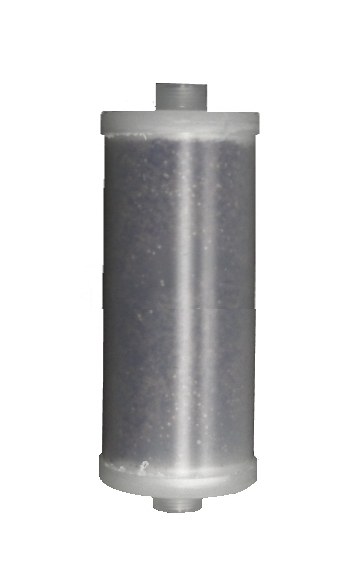
Filtersorb SP3 Media
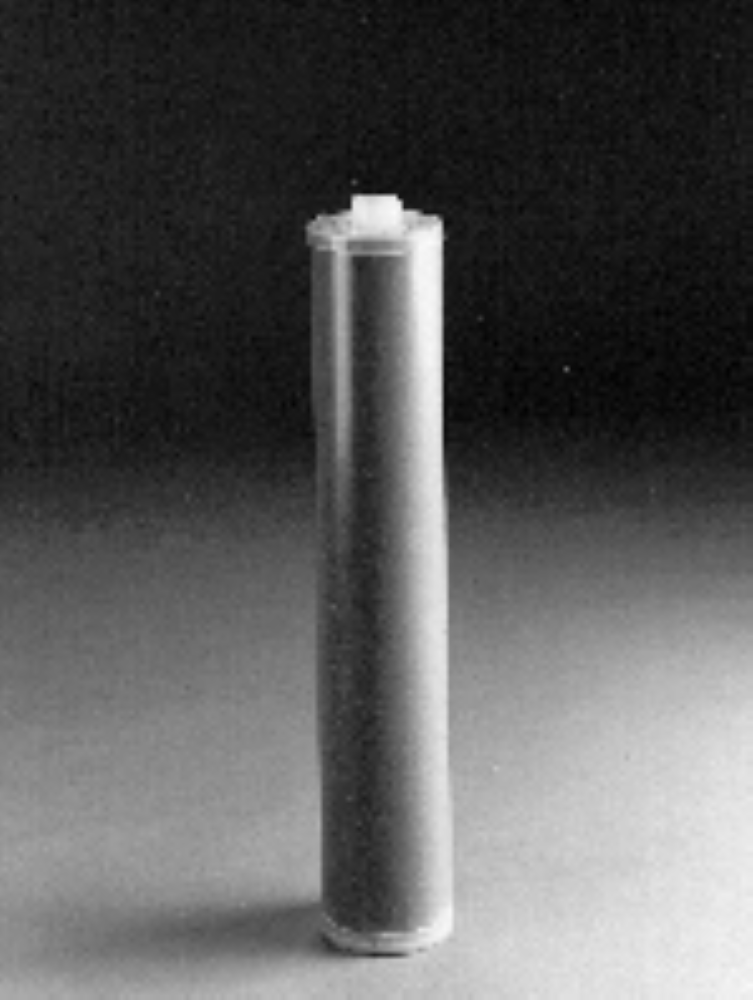
The technologically advanced Filtersorb SP3 Media is an innovative solution that prevents all of the negative effects of calcium and magnesium, while allowing the positive health benefits to remain. The system is maintenance free, chemical free, salt free and does not require costly regeneration and backwashing.
|
Images are representative of the products. Images may or may not be of the actual product. If it is important e-mail us for an actual image if available.
* Flat Rate UPS shipping when able to ship via UPS and is in the USA excluding Hawaii and Alaska.
Larger Items may not be able to ship via UPS, in that case freight charges will be quoted seperately.
International shipping will be quoted after the order is placed. You will have the opportunity to cancel before we finalize your order.
Terms and conditions
Credit Application
Privacy
Policy
List All Products
|